Untangle Your Sound: Wireless vs. Wired Speakers Explained
Choosing the right speakers can transform your listening experience, whether you’re a casual music lover, a dedicated audiophile, or someone setting up a home theater. For years, wired speakers were the undisputed kings of sound. But in a world increasingly embracing convenience, wireless options have exploded in popularity. This shift has left many wondering: when it comes to wireless vs. wired speakers, which is truly better for you?
It’s a common dilemma, and the answer isn’t a simple one-size-fits-all. Both technologies offer unique advantages and drawbacks that cater to different needs and priorities. Let’s dive deep into the world of audio to help you make an informed decision.
The Rise of Wireless: Convenience Meets Innovation
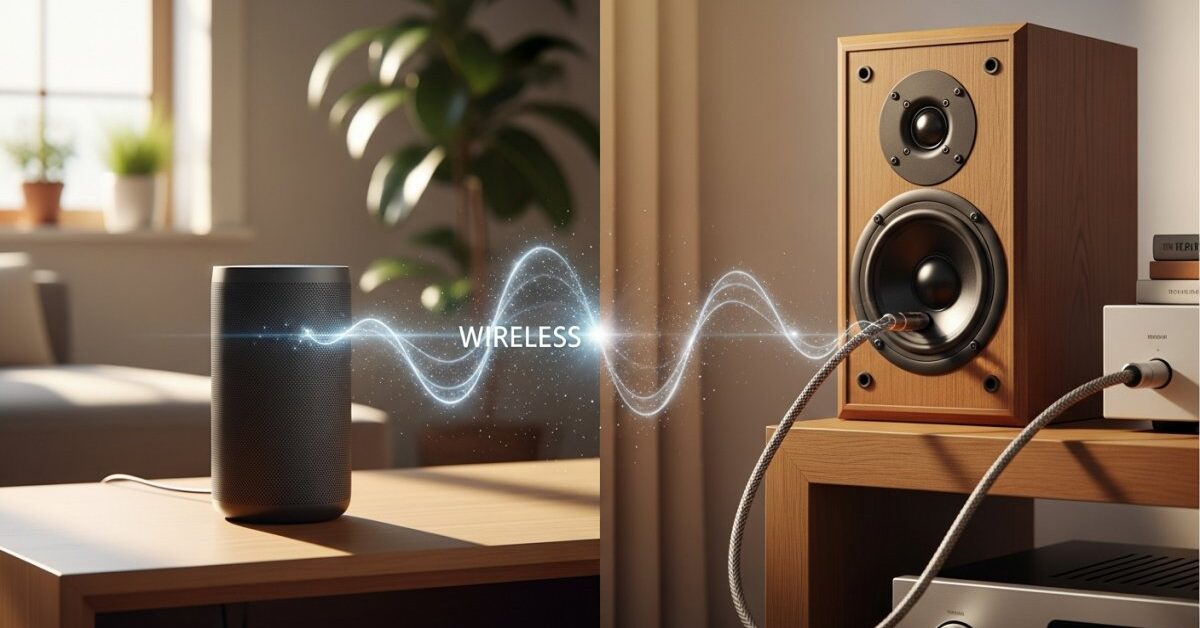
Now people are finally noticing this: the sheer freedom that wireless audio provides. No more tangled cables, no more restricted placement – just pure sound, wherever you want it. This flexibility is a huge draw for many modern households and a key reason why wireless speakers are everywhere from smart homes to portable setups.
Advantages of Wireless Speakers
- Unmatched Portability and Flexibility: Move your speakers from room to room, take them outside, or easily rearrange your living space without worrying about cable lengths. Many portable wireless speakers come with built-in batteries, offering hours of playback on the go.
- Clean Aesthetic: Say goodbye to cable clutter. Wireless setups contribute to a minimalist and clean look, especially appealing in modern home designs where aesthetics are paramount.
- Easy Setup: Most wireless speakers connect via Bluetooth or Wi-Fi with minimal effort. Pairing devices is often a matter of a few taps on your phone or computer.
- Multi-Room Audio: Wi-Fi enabled speakers often integrate seamlessly into multi-room audio systems, allowing you to play the same music throughout your home or different tracks in different zones, all controlled from a single app.
- Smart Home Integration: Many wireless speakers are smart speakers, offering voice assistant capabilities and integration with other smart home devices, adding a layer of convenience beyond just audio playback.
Potential Drawbacks of Wireless Speakers
- Reliance on Power: Even wireless speakers need power. While some are battery-powered, others require a power outlet, which can still limit placement to some extent.
- Potential for Latency and Interference: Especially with Bluetooth, there can be a slight delay (latency) between the audio source and the speaker, which might be noticeable when watching videos or gaming. Wireless signals can also be susceptible to interference from other devices or Wi-Fi networks.
- Sound Quality Variations: While high-end wireless speakers offer excellent sound, some budget-friendly options might compress audio, leading to a slight dip in fidelity compared to a wired connection. Wi-Fi speakers generally offer better sound quality than Bluetooth due to higher bandwidth.
- Battery Life Concerns: For portable wireless speakers, battery life is a constant consideration. Running out of charge can interrupt your listening experience.
- Cost: Advanced wireless features, especially for multi-room Wi-Fi systems, can sometimes come with a higher price tag compared to their wired counterparts offering similar audio performance.
The Enduring Appeal of Wired: Purity and Power
Despite the wireless revolution, wired speakers maintain a strong foothold, particularly among audiophiles and those prioritizing uncompromised sound quality and reliability. There’s a certain satisfaction in a direct connection, knowing your audio signal is traveling unimpeded.
Advantages of Wired Speakers
- Superior Sound Fidelity: Wired connections, especially high-quality analog or digital cables, offer the most direct and uncompressed audio signal transmission. This often results in richer, more detailed, and more accurate sound reproduction, free from potential wireless interference or compression.
- Zero Latency: For critical listening, gaming, or professional audio work, the absence of latency in a wired setup is invaluable. Audio and video remain perfectly synchronized.
- Reliability and Stability: A wired connection is inherently more stable. You don’t have to worry about dropouts, signal interference, or network congestion interrupting your sound.
- No Battery Concerns: Wired speakers draw power directly from an outlet or amplifier, meaning no battery to charge or replace. They are always ready to go.
- Cost-Effectiveness for Performance: Often, you can achieve a higher level of audio performance at a lower price point with wired speakers compared to wireless speakers of similar fidelity, as the cost isn’t inflated by wireless technology.
Potential Drawbacks of Wired Speakers
- Cable Clutter: The most obvious downside is the presence of cables. This can lead to messy setups, trip hazards, and a less aesthetically pleasing environment.
- Limited Placement: Speaker placement is dictated by cable length and the proximity to power outlets and audio sources. This can restrict your interior design choices.
- Less Portability: Wired speakers are generally designed for stationary setups. Moving them around requires disconnecting and reconnecting cables, making them less convenient for on-the-go use.
- More Complex Setup for Multi-Channel: Setting up a multi-channel wired home theater system (e.g., 5.1 or 7.1 surround sound) involves running many cables, which can be time-consuming and require careful planning.
Why It Matters: Your Lifestyle, Your Sound
The choice between wireless and wired speakers isn’t just about technical specifications; it’s about how you live and how you want to experience sound. Your lifestyle, your listening habits, and your home environment all play a crucial role in determining which option will bring you the most satisfaction.
Are you someone who loves to entertain, moving music from the living room to the patio? Wireless might be your answer. Are you a meticulous audiophile who spends hours dissecting every note in your favorite symphony? Wired might be the clear winner. Understanding your own priorities is the first step.
Things to Consider Before Buying
Before you make a decision, here are some essential factors to weigh. This trend is growing fast, and new options are always emerging, so knowing what truly matters to you will help cut through the noise.
Your Budget
Define how much you’re willing to spend. While both types of speakers offer options across various price points, high-end wireless systems with multi-room capabilities can be a significant investment. You might find excellent sound quality in wired options for less.
Intended Use
- Casual Listening/Background Music: Wireless (especially Bluetooth) offers convenience.
- Home Theater/Immersive Gaming: Wired often provides better reliability and uncompromised surround sound.
- Critical Listening/Audiophile: Wired is typically preferred for the purest audio.
- Portable Use: Wireless is the only practical choice.
Sound Quality Priorities
How important is absolute fidelity to you? If you demand the absolute best, wired speakers with quality components and proper amplification usually deliver. If convenience and “good enough” sound are sufficient, wireless options are fantastic. Remember, advancements in wireless technology mean that many premium wireless speakers now offer truly impressive audio performance.
Room Aesthetics and Setup Complexity
Do you despise visible cables? Is a clean, minimalist look essential? Wireless speakers inherently offer a tidier setup. Are you comfortable running and hiding wires, or do you prefer a plug-and-play experience?
Connectivity Options
Consider your audio sources. Do you primarily stream from your phone (Bluetooth/Wi-Fi), or do you have a dedicated amplifier, turntable, or media server that requires specific inputs (RCA, optical, HDMI)? You can explore the newest discounts now on various speaker types to see what connectivity options are commonly available.
Future-Proofing
Think about how your audio needs might evolve. Do you plan to expand to a multi-room system later? Some wireless ecosystems allow for easy expansion. Are you investing in a timeless wired setup that can be upgraded component by component?
Who Should Buy This?
Choose Wireless Speakers If You:
- Prioritize convenience, portability, and a clutter-free environment.
- Want multi-room audio capabilities.
- Primarily stream music from your phone, tablet, or computer.
- Desire smart speaker functionalities like voice control.
- Are willing to accept a slight compromise on absolute sound fidelity for flexibility.
Choose Wired Speakers If You:
- Demand the highest possible sound quality and fidelity.
- Need zero latency for gaming, movies, or professional audio.
- Value reliability and a stable, uninterrupted connection.
- Have a dedicated audio setup (amplifier, receiver, turntable).
- Don’t mind managing cables for a superior listening experience.
Making Your Decision
Ultimately, the “better” speaker is the one that best fits your individual needs, preferences, and lifestyle. There’s no wrong answer, only the right answer for you.
Many people even find a hybrid approach works best, using a high-quality wired system for their main living room setup and supplementing it with portable wireless speakers for other rooms or outdoor use. This gives you the best of both worlds.
Take the time to consider your priorities, explore the features that matter most to you, and read up on different models. Whether you lean towards the freedom of wireless or the purity of wired, a fantastic audio experience awaits.
Ready to explore your options? You can view details and availability to find a wide selection of both wireless and wired speakers that might be perfect for your setup.